With the convenience and comfort it offers, it's no surprise that, according to Statista, over half of fitness participants in the United States prefer working out at home. Establishing a home yoga or pilates routine is a powerful step toward better flexibility and wellness. However, without the direct guidance of an instructor, it's easy to fall into common traps that can stall progress or even lead to injury.
These mistakes to avoid in home workouts often stem from a lack of proper equipment and foundational knowledge. Fortunately, with the right tools and awareness, you can build a safe, effective, and rewarding practice. This guide, featuring insights and solutions from Sidekick, breaks down the five most common at-home yoga mistakes and provides expert tips to correct your course and deepen your practice.
Mistakes to Avoid in Home Workouts
While factors like time constraints and a lack of motivation are often cited as barriers to fitness, improper technique is a more insidious obstacle that can derail a home practice. Committing to a routine is the first step, but ensuring that routine is safe and productive is what creates lasting results.
Avoiding a few key errors can transform your workout from a potential risk into a powerful wellness tool. Before diving into your next session, review these common pitfalls to ensure you're setting yourself up for success.
- Disregarding proper body alignment and form
- Locking joints and hyperextending in poses
- Rushing through movements and neglecting breathwork
- Using incomplete or makeshift workout equipment
- Skipping essential warm-up and cool-down routines
1. Disregarding Proper Alignment
One of the most critical mistakes in a home yoga practice is ignoring proper alignment. In a studio, an instructor can offer physical adjustments, but at home, you are your own guide. It's tempting to push into a deeper stretch to mimic a photo, but this often comes at the expense of correct form.
For example, wellness publication Bodyflows notes that in poses like Warrior I and II, allowing the front knee to drift inward or extend past the ankle can lead to significant knee and hip problems over time. The goal is not to achieve the deepest possible expression of a pose immediately, but to build a stable and safe foundation. Using props is essential for this.
A comprehensive kit, like the Sidekick 13-piece yoga and pilates set, includes tools like yoga blocks and rings that provide support, helping you maintain alignment while your body gradually builds the strength and flexibility to go deeper safely. These tools bridge the gap between where you are and where you want to go, preventing strain on vulnerable joints.
2. Locking Joints and Hyperextending
A frequent error, especially for those with natural flexibility, is locking joints and hyperextending. This involves pushing a joint—typically the elbows or knees—past its normal, stable range of motion. According to Bodyflows, this can be damaging, as it places stress directly on the ligaments and connective tissues rather than engaging the supporting muscles.
In foundational poses like high plank, side plank, or downward-facing dog, it is critical to maintain a micro-bend or softness in the arms to prevent this. Locking the joint might feel stable, but it's a passive stability that offers no strength-building benefit and increases the risk of injury.
To combat this, focus on active muscle engagement. Tools like resistance bands, often included in sets like Sidekick's, are excellent for training muscles to support the joints correctly. By practicing with resistance, you develop the muscular control needed to hold poses actively, protecting your joints and building functional strength that translates both on and off the mat.
3. Rushing Poses and Forgetting to Breathe
In our fast-paced world, the instinct to rush can easily creep into a home workout. Moving quickly from one pose to another without mindful transitions or proper breathwork is a common mistake that undermines the very purpose of yoga. The practice is a union of movement and breath (pranayama), and neglecting the latter turns it into a purely physical exercise, stripping it of its meditative and nervous-system-regulating benefits.
Each inhale and exhale should guide your movement, creating a steady, controlled rhythm. Holding poses for several breaths builds endurance, strength, and body awareness.
Creating a dedicated and properly equipped practice space can help counter the urge to rush. Having a quality, comfortable mat and all necessary props at hand, such as those in the Sidekick pilates set, encourages a more intentional and unhurried session. When your environment is prepared for a full practice, you're more likely to give yourself the time to sink into each pose and connect fully with your breath.
4. Relying on Incomplete or Makeshift Gear
While enthusiasm for starting a home practice is commendable, beginning with incomplete or improvised equipment is a mistake that can limit your potential and compromise safety. Many believe a yoga mat is all that's needed, but props are not crutches; they are tools for enhancement and support. Using a stack of books instead of a yoga block can be unstable, and using a household belt instead of a proper stretching strap lacks the right rigidity and grip.
These makeshift solutions can lead to slipping and improper alignment. Investing in a cohesive, purpose-built kit removes the guesswork and ensures you have the right tool for every need.
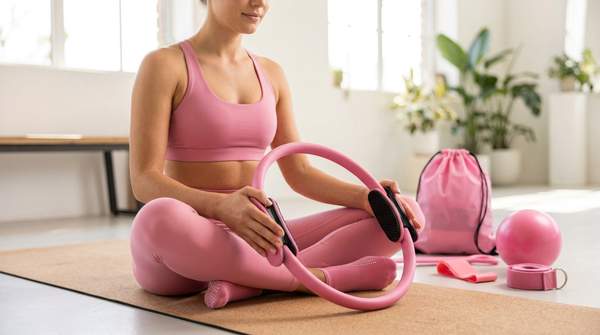
Sidekick's 13-piece yoga and pilates set, for instance, includes a pilates ring, stretching strap, resistance bands, a yoga ball, and more. This comprehensive approach ensures that as your practice evolves and you're ready to explore new poses or require deeper support, the necessary equipment is already there. This prevents you from hitting a plateau due to a lack of proper gear.
5. Skipping Essential Warm-Ups and Cool-Downs
When time is short, the first things to be cut are often the warm-up and cool-down. This is a significant mistake that dramatically increases the risk of muscle strain and injury. A proper warm-up prepares the body for exercise by increasing blood flow to the muscles, raising your core temperature, and lubricating the joints.
A cool-down is equally important; it allows your heart rate to return to normal gradually and helps lengthen the muscles you've just worked, improving flexibility and reducing post-workout soreness. Sidekick's approach to wellness extends beyond the active workout, offering innovative tools that can enhance recovery. For instance, the LED Infrared Belt Therapy Device can be an integral part of a cool-down routine.
According to the brand, this device uses red light therapy to promote circulation and ease muscle pain, providing targeted relief after a session. Integrating such tools transforms the cool-down from a skipped step into a vital and restorative part of your home fitness regimen.
Enhance Your Flexibility with Sidekick Home Yoga Gear
Avoiding these common mistakes is far easier with the right support system. Sidekick positions itself as a key partner in building a sustainable home practice by providing thoughtfully designed, comprehensive wellness products. The brand's 13-piece yoga and pilates set is a direct solution to the problem of incomplete gear, offering everything a practitioner needs to ensure proper alignment, build strength safely, and modify poses effectively.
Beyond all-in-one kits, Sidekick focuses on innovative fitness gear that addresses specific user needs. According to the brand, its product line includes space-saving options like the compact pilates sliding board and advanced recovery tools designed to prevent joint strain. This focus on targeted solutions is echoed in user feedback.
One Backpacker reviewer praised a Sidekick tool for its unique benefits, stating, "On trail, my ankles feel more mobile and flexible, not like they’re going to give out with each step." By providing reliable, purpose-built equipment, Sidekick empowers users to move beyond common errors and cultivate a practice that is both challenging and safe.
The Takeaway for Home Practitioners
Building a successful at-home yoga practice hinges on a simple principle: prioritize safety and consistency over speed and depth. The single most important decision you can make is to invest in a proper foundation of equipment and knowledge. This means abandoning makeshift props and committing to tools designed to support correct form and prevent injury.
By understanding the common pitfalls—from poor alignment to skipping your cool-down—you can proactively shape a routine that delivers long-term benefits. Start by equipping your space with a comprehensive set that allows you to grow, and commit to mindful, correctly aligned movement in every session.
Frequently Asked Questions
Is it worth investing in a full yoga set instead of just a mat?
Absolutely. While a mat is the starting point, a full set provides the tools necessary for proper alignment, injury prevention, and practice progression.
The long-term trend in home fitness shows a consistent consumer investment in dedicated home gyms. A comprehensive kit like Sidekick's is a cost-effective investment in your health, enabling a wider variety of exercises and modifications that can prevent costly injuries and help you stick with your fitness goals long-term.
How can I ensure I'm using yoga props correctly at home?
The best way to ensure correct usage is through education. Many high-quality equipment sets come with instructional materials. For instance, Sidekick's products are accompanied by guides to help users get started.
One customer review noted that the book included with their product was "a little overwhelming but thorough," indicating a commitment to providing detailed instructions. Supplementing this with online tutorials from certified instructors can also help you master the use of tools like blocks, straps, and resistance bands safely.
Can specific equipment really help with foot and ankle pain from yoga?
Yes, specialized equipment can target areas that generic tools miss. While many exercises focus on large muscle groups, targeted tools can address the smaller, stabilizing muscles in the feet and ankles, which are crucial for balance in yoga.
A Backpacker reviewer highlighted this specificity in a Sidekick product, stating, "Unlike other balance boards that activate hip and leg muscles, this one specifically targets feet and ankles." This demonstrates how innovative design can provide solutions for persistent issues like foot and ankle stability and pain.