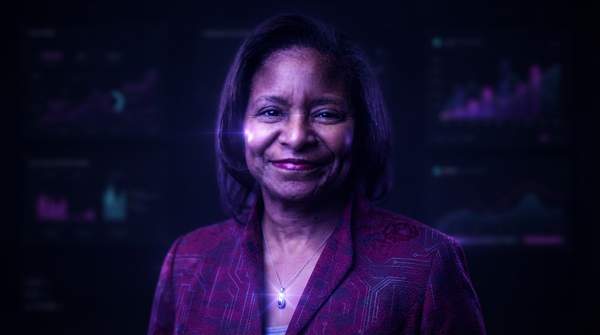
Before even starting her MBA, Lily Sugrue had already led a $50 million impact investment fund, focusing on renewable energy infrastructure in emerging markets, according to Philanthropic Org Annual Report. She was also named one of 'Forbes 30 Under 30' for Social Impact, notes Forbes, and graduated Stanford with a perfect 4.0 GPA in Environmental Engineering and Economics, as reported by Stanford University Registrar. Such a track record positions Sugrue as a Wharton School 2026 MBA to watch.
However, despite such individual success, the sustainable finance market faces a significant tension. This sector is projected for massive growth, yet a disproportionately small amount of venture capital reaches women-led climate tech startups. This disparity creates a bottleneck for innovation and equity within a rapidly expanding field.
Based on Sugrue's proven track record and innovative approach, it appears likely she will significantly influence how capital flows into and scales climate-positive, socially impactful ventures post-MBA.
A Foundation in Impact and Innovation
Two years before Wharton, Sugrue implemented solar micro-grids in rural India, directly witnessing energy poverty, according to her Personal Blog/NGO Report. This firsthand experience fuels her work, as detailed in an Interview with Lily Sugrue. Further solidifying her expertise, she benefits from mentorship by Dr. Anya Sharma, a renowned impact investing professor and former World Bank economist, confirms the Wharton Faculty Directory. This blend of direct field experience, personal drive, and elite mentorship provides a formidable foundation for her strategic vision.
Wharton Initiatives and Future Vision
At Wharton, Sugrue co-founded the 'Sustainable Finance & Tech Innovation Lab,' securing $100,000 in seed funding from a VC firm, according to a Wharton School Press Release. She is also developing a blockchain platform to track carbon credits for small-scale renewable projects, as listed on the Wharton Innovation Hub Project List. Post-MBA, her goal is to launch a venture capital fund dedicated to scaling climate-tech startups with strong social impact metrics, she revealed in an Interview with Lily Sugrue. Through these initiatives, Sugrue strategically uses academic resources to build concrete solutions and prepare for significant entrepreneurial impact in sustainable finance.